www.becook.com/en/recipe/cheese-scones-pogacice
Cheese Scones (Pogačice)
A very tasty starter that is easy to make, ideal for family celebrations and other festivities.
- Time
- 45 min
- Servings
- 4
- Difficulty
- Easy
- Cuisine
- Serbia

By Bojan Nikolić ·

Preparation
-
1
Before you start on the scones, switch on the oven to heat to 220ºC.
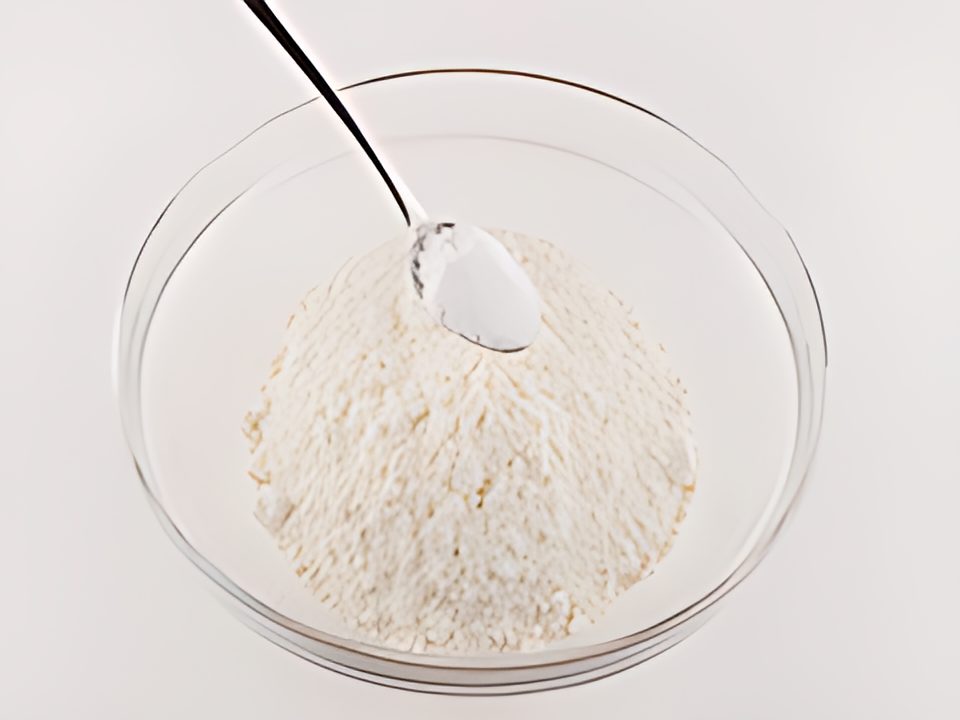
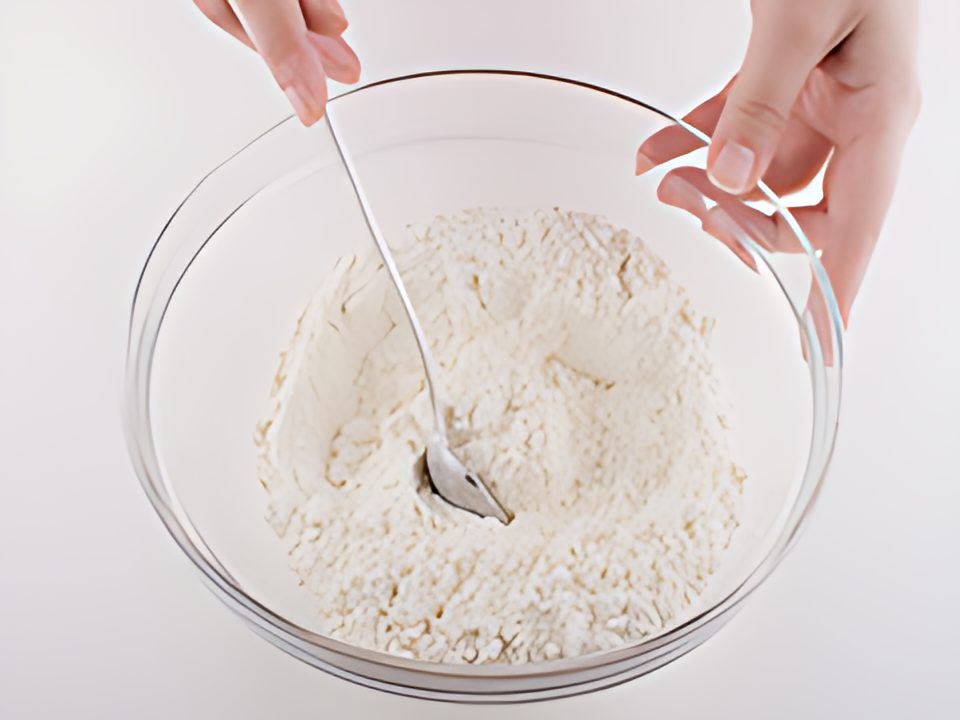
Weigh out half a kilogram of strong flour (type 500), add the baking powder and mix well.
 flour
baking powder
-
2
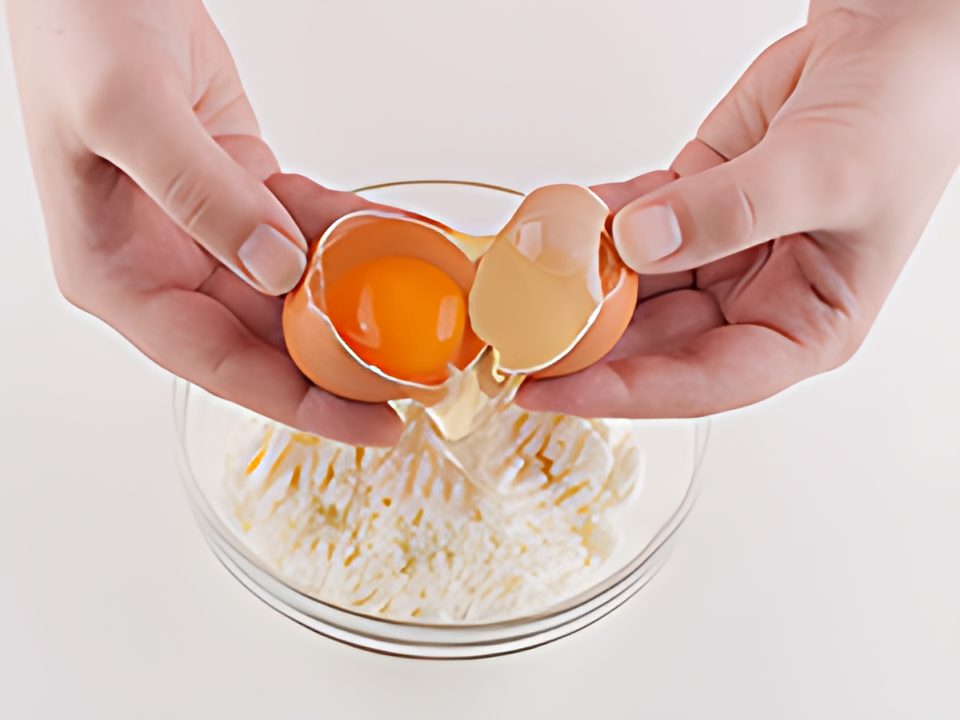
You need 2 eggs for this recipe: one whole egg and one egg white go into the dough, and the yolk is used for brushing the scones, to give them shine and a nice colour.
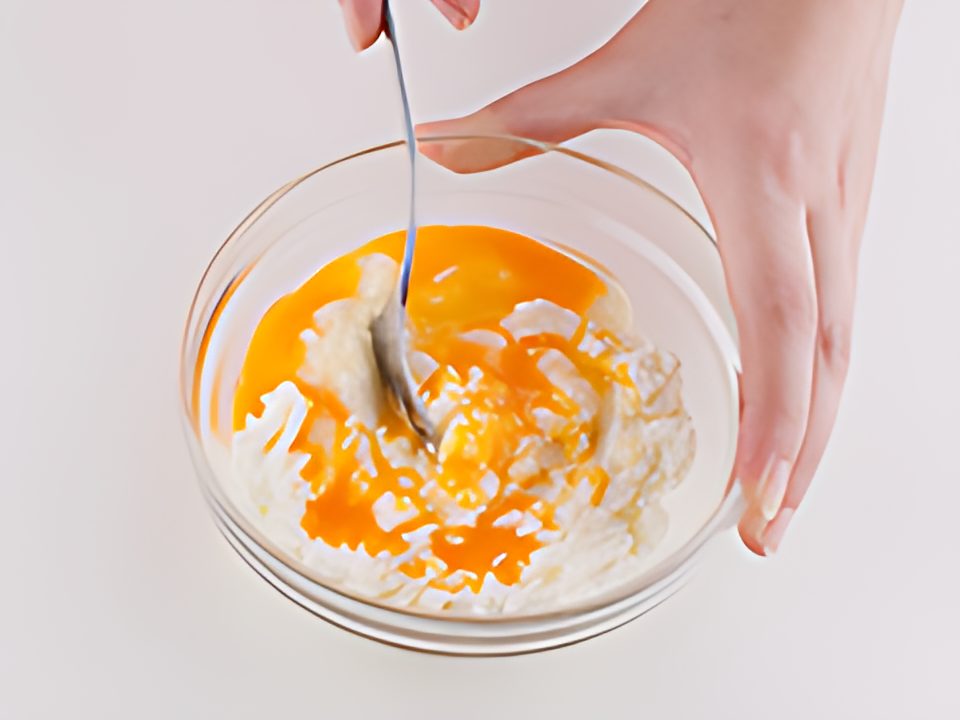
Check whether the cheese is salty enough for your taste and add salt if needed. We used fresh white cheese; you can use another cheese instead, except, of course, hard and semi-hard ones. Mix the eggs with the cheese.
 egg
white cheese
Tip: Whatever you are making, always follow the rule of mixing dry ingredients with dry and wet with wet.
-
3
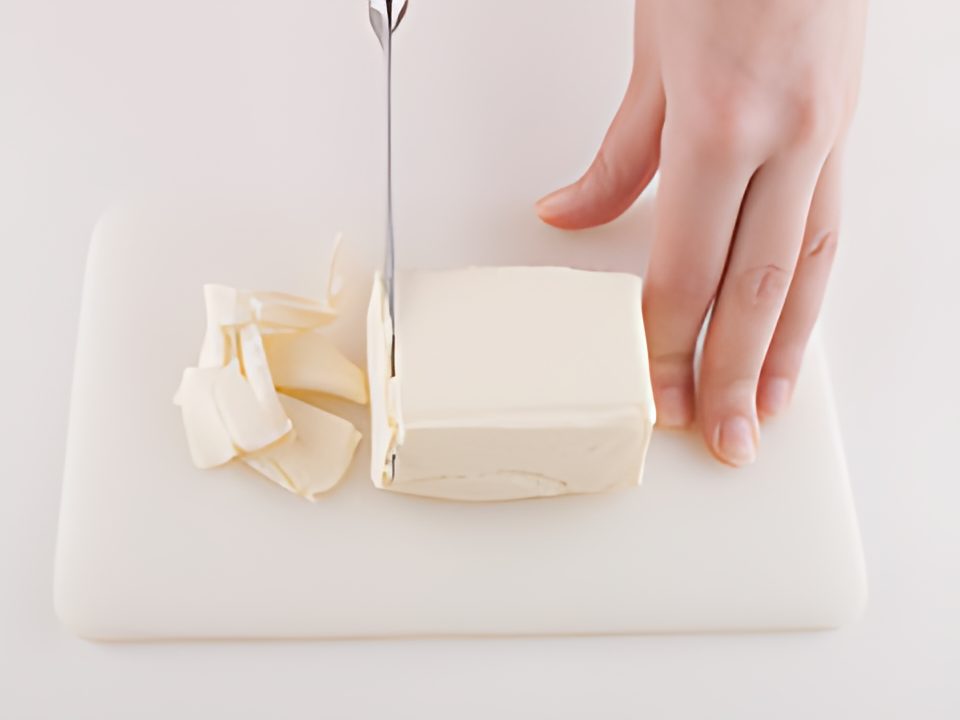
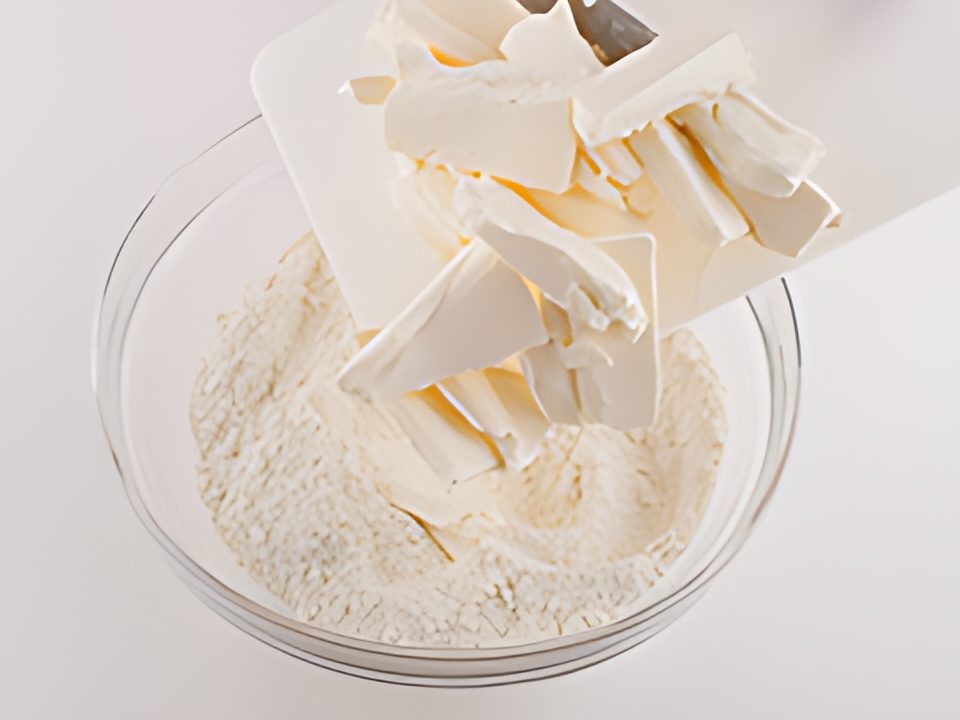
Cut the margarine into thin slices and add it to the flour.
flour
-
4
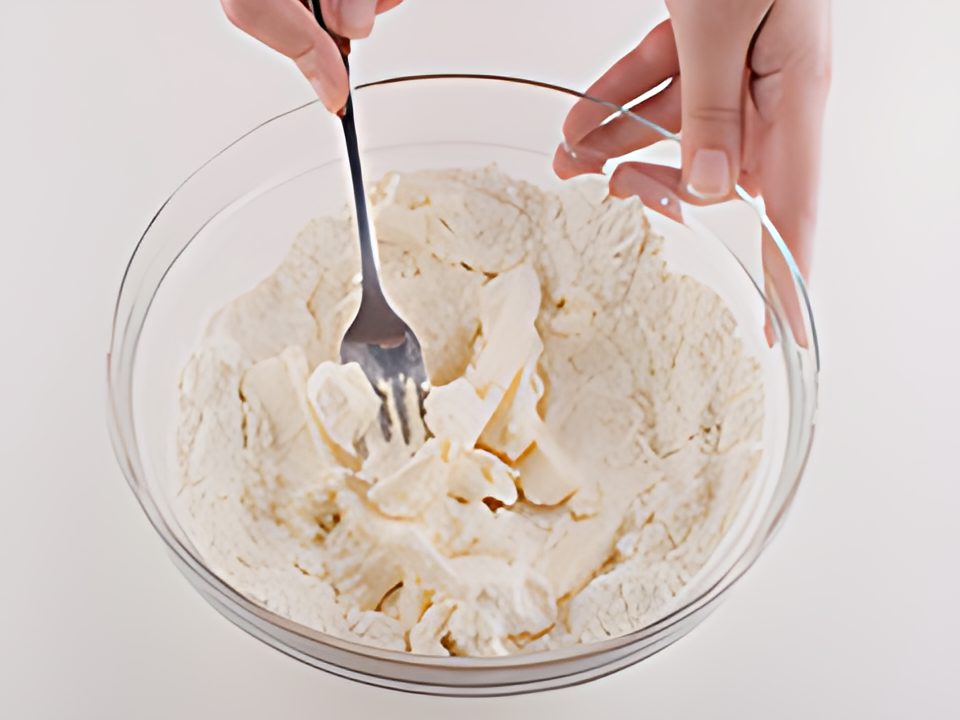
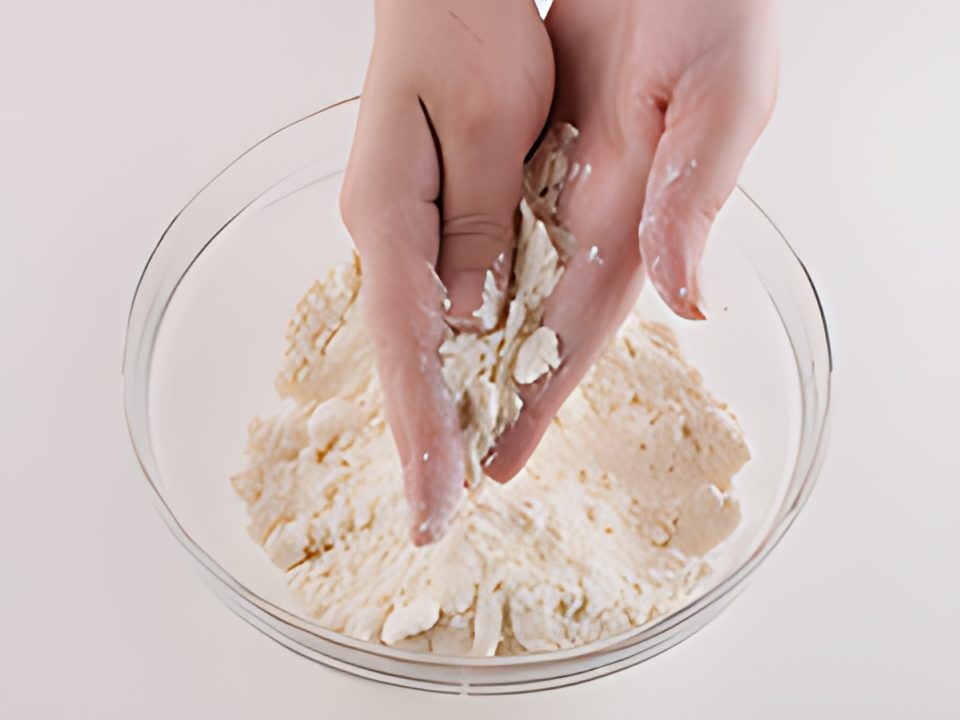
Roughly combine the ingredients with a fork, then rub the flour and margarine together with your hands.
It is very easy and fairly quick. Take a small amount of flour and margarine, a little less than a handful, and rub it gently but briskly until you get fine crumbs. margarine
flour
-
5
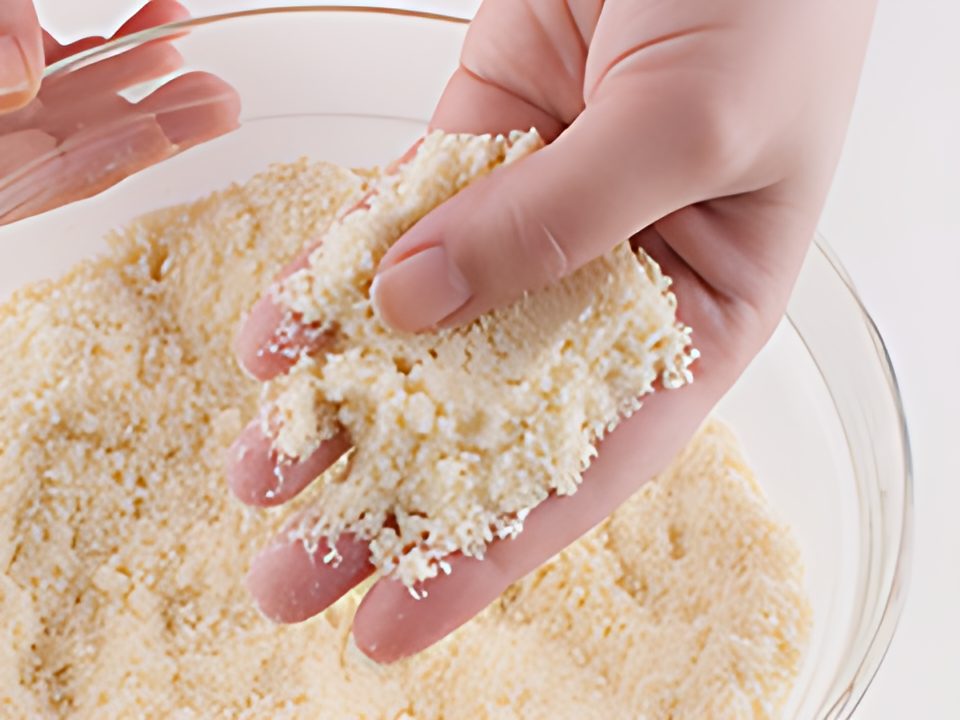
This is what margarine well rubbed into flour should look like. You can always use butter instead of margarine; the method is the same, only butter melts faster and sticks to your hands a little more. The taste is similar; the difference shows most in the milky smell of butter in the scones and in the texture, which is shorter, that is, the scones crumble slightly.
margarine
flour
-
6
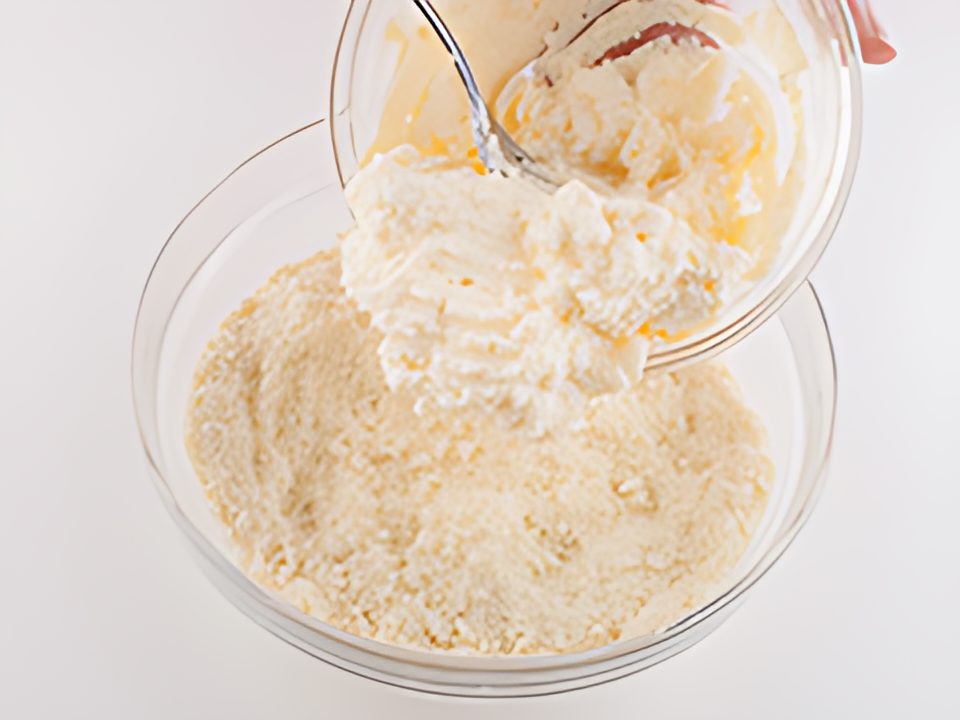
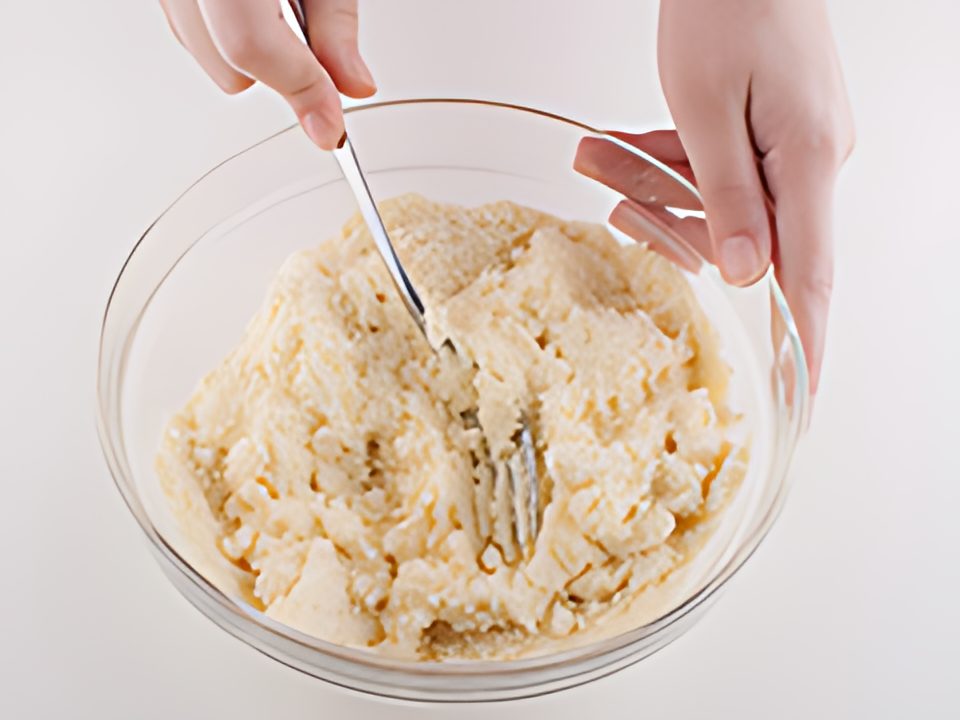
Add the cheese to the flour and mix everything with a fork or a wooden spoon, or simply start kneading straight away.
flour
white cheese
-
7
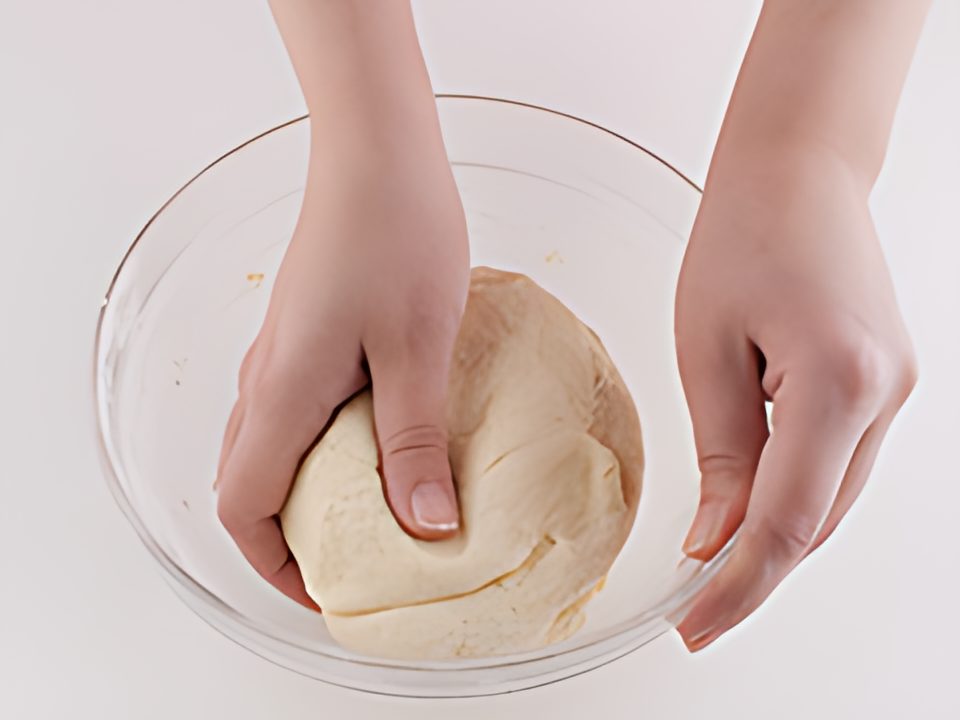
The dough is kneaded enough when it stops sticking to the sides of the bowl; then you can move it onto a floured surface. Keep kneading until everything is nicely combined.
-
8
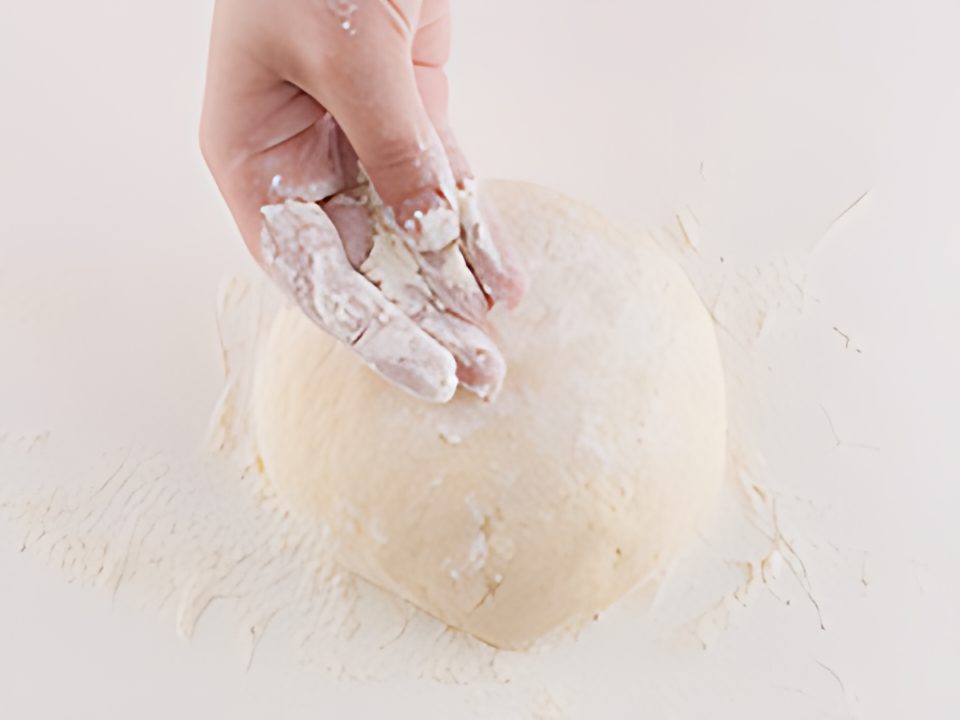
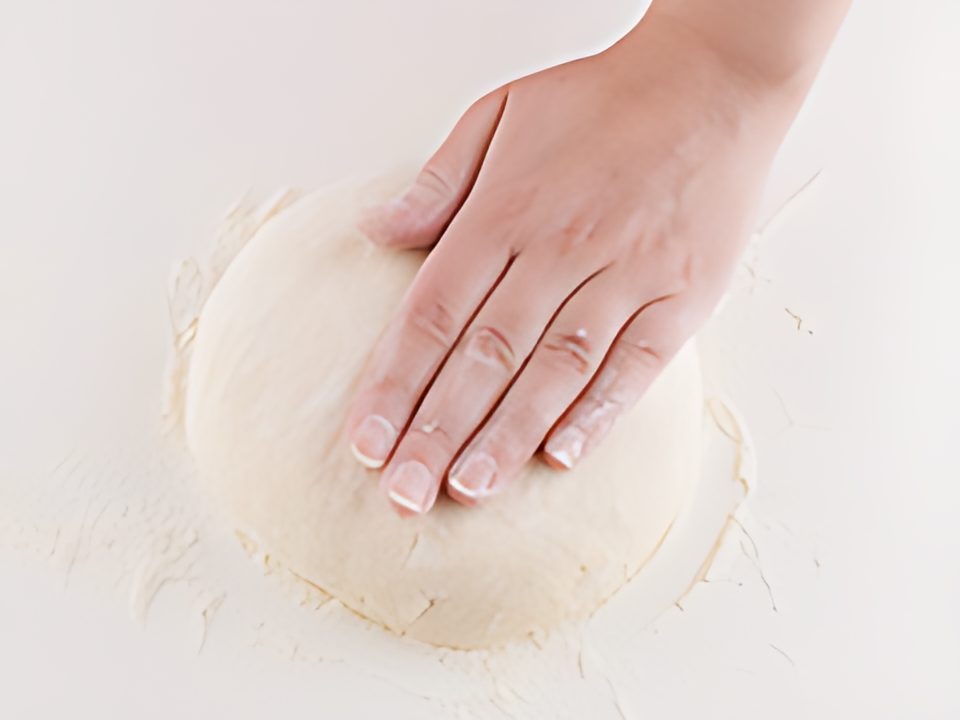
Once the dough is kneaded, shape it into a ball, dust it with flour and press it gently with your hands, just enough to make the rolling easier.
flour
-
9
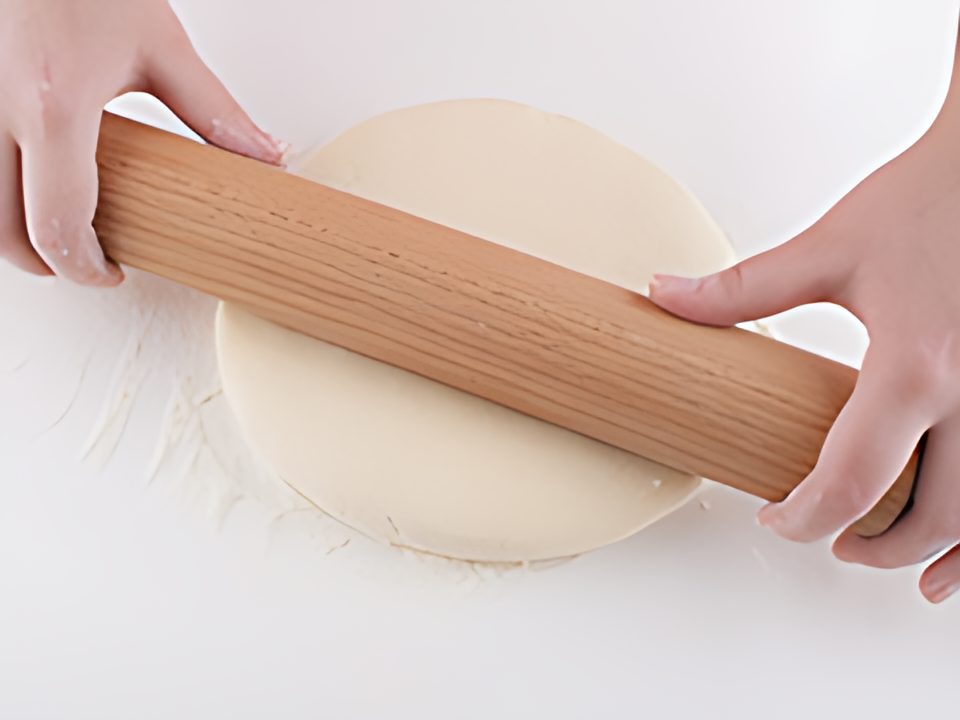
Roll the dough out to a thickness of up to 1 cm. When rolling, never thin the dough aggressively; reduce its height gradually, using the weight of the rolling pin more than your own strength.
-
10
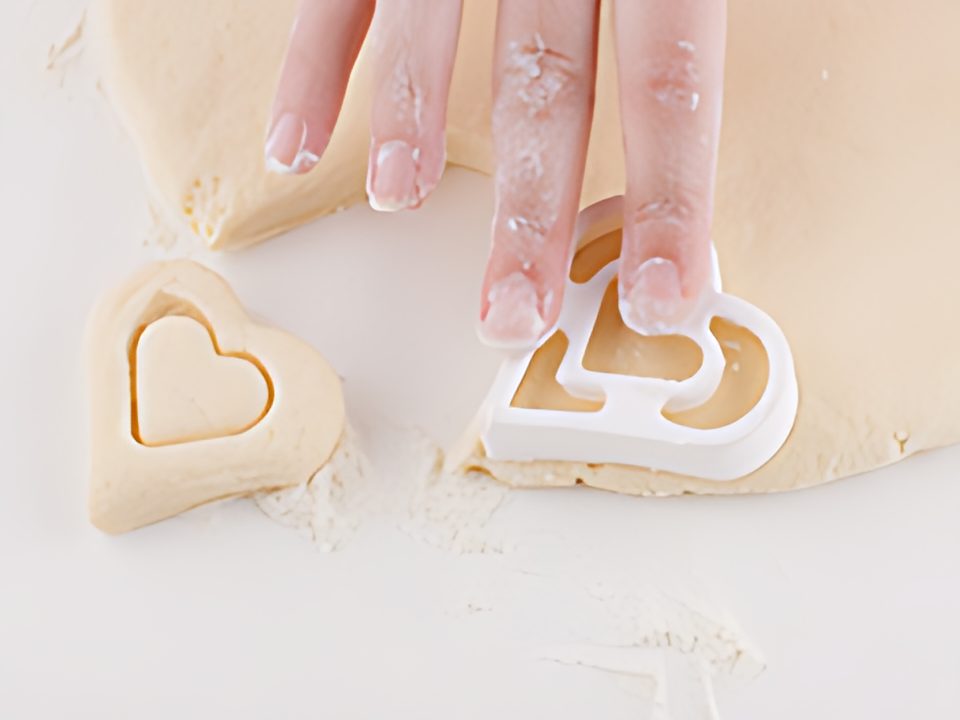
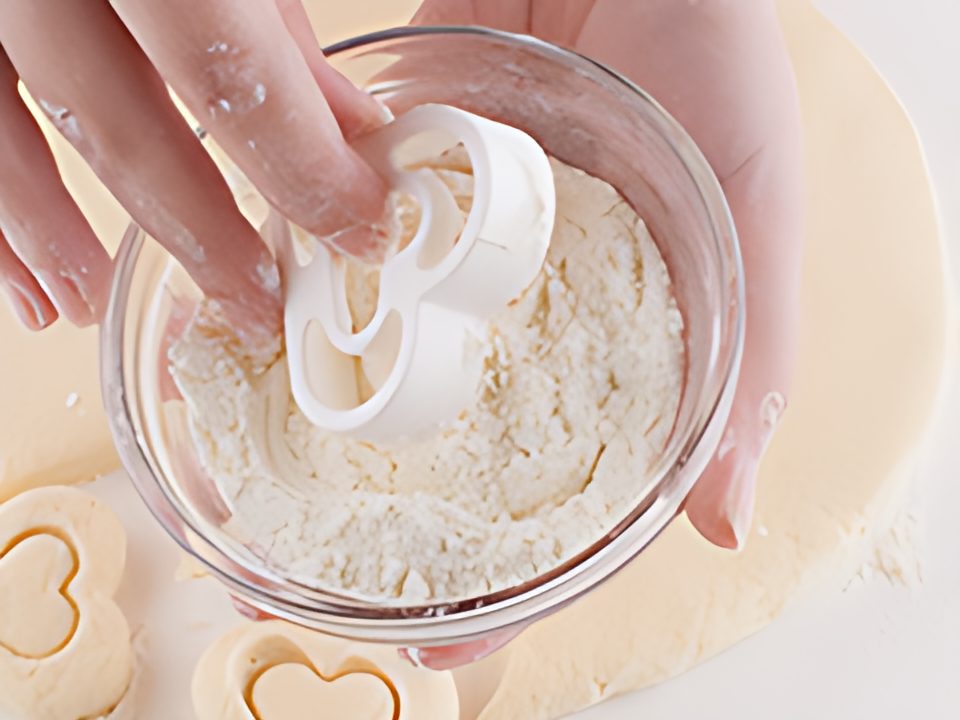
Cut out the scones with a cutter or a small glass and place them straight onto a tray that is either greased and floured or lined with baking paper. If the scones happen to stick to the cutter, just dip it in flour and carry on.
flour
Tip: When cutting, leave as little space as possible between the rounds, so that there are as few scraps as possible. Speaking of scraps: knead the leftover dough again, roll it to the same height and keep cutting until it is all used up.
-
11
Brush all the scones evenly with the remaining yolk (you can add a few drops of oil to it). Sprinkle them with caraway or sesame seeds. You need about one teaspoon of caraway or two teaspoons of sesame; you can also leave them plain.
 caraway seeds


-
12
You can also sprinkle the scones with coarse sea salt, but only if the cheese you used is not very salty. Bake at 220ºC for about half an hour, until the scones are nicely golden.
white cheese



The whole recipe, step by step, on www.becook.com/en/recipe/cheese-scones-pogacice


